Written by: Erin Vaughan - President, CEO and Journeyperson Automotive Service Technician

Here’s Why Finding the Cause Matters


A new noise from your vehicle can be frustrating, especially when you don't know whether it's something minor or the beginning of a bigger problem.


A clunk over bumps, a humming sound on the highway, agrinding noise when braking, a knock from the engine - it's tempting to Google the noise and start looking for the part that needs to be replaced. Unfortunately, vehicle noises aren't usually that simple.


At Kinetic Auto Service, when you bring us a vehicle because of a noise, our first job isn't to replace a part, our job is to determine what's actually causing the noise.


“Can you tell me what it is from the noise?”


Usually, no, and we'd rather tell you that than guess. The same type of noise can be caused by several different components, even where you hear the noise isn't always where it's coming from.


We've seen wheel bearing noises that sounded like they were coming from one wheel when the problem was actually at another wheel. A similar sound could also come from the tires or even a driveshaft steady bearing. The same thing happens with suspension noises. A knock that sounds like it's coming from the right side of the vehicle may actually originate on the left.


That's why Kinetic charges for inspection and diagnostic time when investigating vehicle noises. You're not paying us to guess, you're paying us to find the problem.


What should you tell us when you book?


The more information you can give our service advisors, the better starting point we can give the technician.


Try to notice:


  • When does the noise happen?
  • At what speed?
  • Does it happen while braking?
  • Does it change while turning?
  • Does it happen when going over bumps?
  • Is the vehicle cold or warmed up?
  • Does it happen while accelerating?
  • Where does the noise seem to be coming from?


Don't worry if you can't answer all of these questions. You don't need to diagnose the vehicle, that's our job! Your observations simply help point us in the right direction.


How does Kinetic diagnose a vehicle noise?


Depending on the concern, our technician may start by road testing the vehicle under several different conditions. That can mean driving on faster and slower roads, going over bumps, making turns and driving through parking lots while trying to duplicate the noise you've described. Sometimes we may request that YOU take a ride with us to point out the noise you're hearing!


Once we've narrowed down the system involved, we'll bring the vehicle into the shop and inspect it. For a brake or suspension noise, that means checking the components in the affected system, not simply replacing the first component that seems likely. For some engine, bearing or drivetrain noises, we may need to operate the vehicle on the hoist and listen to individual components with a stethoscope.


We're looking for the cause of the noise and any related components that are damaged or worn. Once we know the cause, we can explain what we found and recommend the appropriate repair.


Why pay for diagnosis when another shop will “take a quick look”?


Because the cheapest first repair isn't necessarily the cheapest solution. If someone guesses at the source of a noise and replaces a part without getting to the root of the problem, you can end up paying for that repair and then paying AGAIN when the noise comes back.


We would rather spend the appropriate time determining what's wrong before recommending that you spend money fixing it - there's accountability attached to that!


If Kinetic diagnoses the problem and our diagnosis is wrong, we stand behind it and cover that repair. That's one of the reasons proper diagnosis matters to us.


Don't ignore a new noise


Not every vehicle noise means you need to stop driving immediately, but ignoring a noise can allow a relatively manageable problem to develop into a larger and more expensive one. There are also certain symptoms that we consider much more urgent.


Pull over somewhere safe, shut the vehicle off and arrange to have it towed if:


  • the engine is knocking;
  • your brakes are not functioning properly;
  • the vehicle develops violent vibrations;
  • the check-engine light is flashing; or
  • the oil-pressure warning light comes on.


If you're unsure about a new noise, call us! Our service advisors can ask you some questions and help determine the appropriate next step.


Your vehicle doesn't need a guess. It needs an answer.


At Kinetic Auto Service, our goal isn't to sell you a part based on what a noise might be, it's to properly inspect the vehicle, determine what's causing the concern, explain what we've found and give you the information you need to make an informed decision about the repair.


Hearing something new? Give Kinetic Auto Service a call or book an appointment online and we'll help you get to the bottom of it.
Book Appointment
By Written by: Erin Vaughan - President, CEO and Journeyperson Automotive Service Technician • January 20, 2026
Maintenance Service vs Oil Change — Which Is Better for Your Vehicle? If you’ve ever wondered whether a quick oil change is “good enough,” you’re not alone. For many drivers, an oil change feels like responsible vehicle care. And while oil changes are important — they are not the same thing as a maintenance service. Understanding the difference can save you thousands of dollars, years of vehicle life, and a lot of unnecessary stress. Let’s make it simple. What Is a Lube Shop Oil Change? A lube shop oil change focuses primarily on: Draining and replacing engine oil Replacing the oil filter A brief visual check The goal is speed and volume. These services are designed to get you in and out quickly. What’s usually missing: Full safety inspection Long-term maintenance planning Vehicle history tracking Technician-level assessment An oil change gives you clean oil - this is a small percentage of the maintenance required to maintain your WHOLE vehicle! What Is a Maintenance Service? A maintenance service is designed to monitor your vehicle’s overall health. Click HERE to learn more! At Kinetic Auto Service, it includes: Oil Change Using the correct oil and filter for your vehicle. Multi-Point Inspection We inspect: Brakes Tires Suspension Steering Belts & hoses Battery Cooling system Exhaust Leaks Safety components Fluid Checks & Top-Ups Including coolant, washer fluid and power steering fluid (if equipped). Preventative Maintenance Planning (Learn more HERE ) You leave knowing: What’s good What’s wearing What’s coming next What can wait We believe in taking the time required to provide you with as much information as possible! Knowledge is power...and long term savings ;) Oil Change vs Maintenance Service: Quick Comparison
By Written by: Erin Vaughan - President, CEO and Journeyperson Automotive Service Technician • January 19, 2026
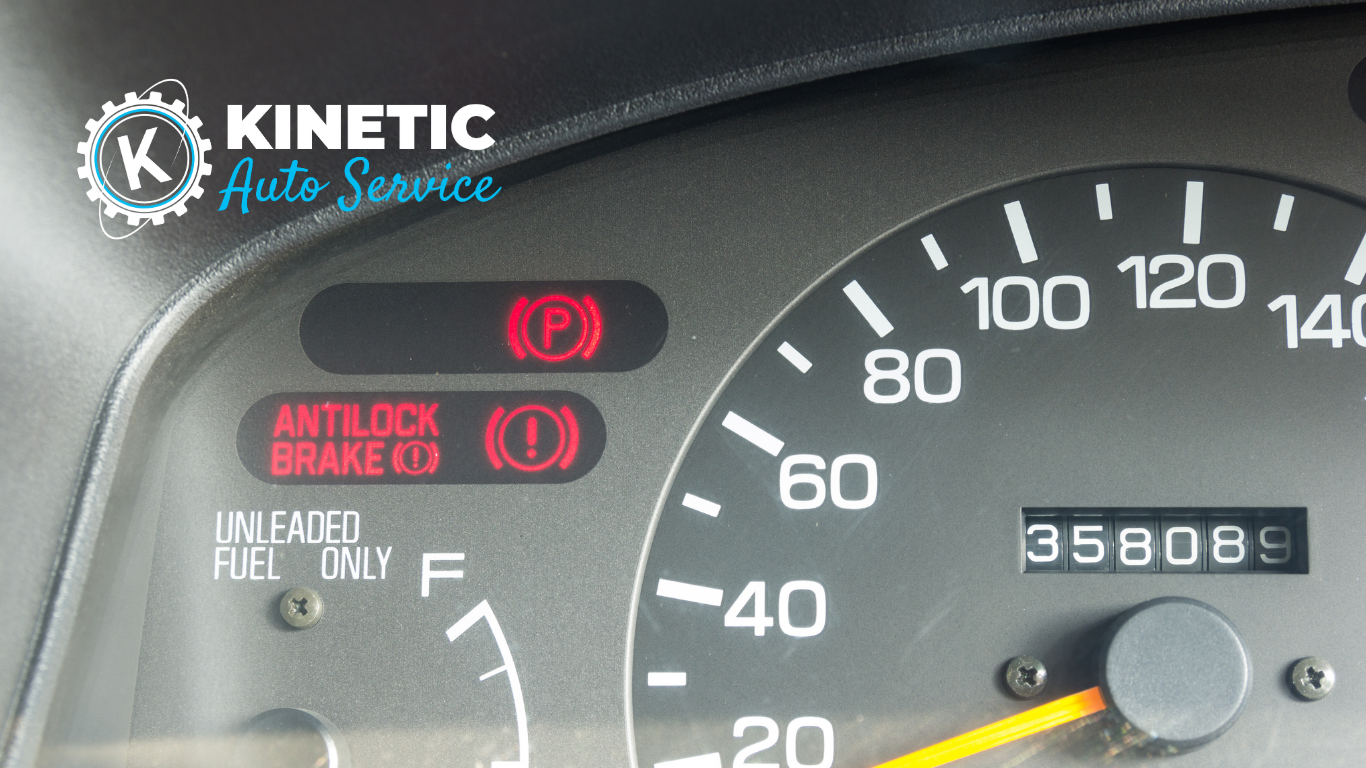
Why Your Brake Warning Lights Comes On and What to Do About Them It always happens at the worst time: you’re driving to work, the music’s on, and suddenly a red (or yellow) brake warning light flicks on your dashboard. Your first thought? “Uh oh.” Your second thought? “Can I still drive?” At Kinetic Auto Service in Regina , we get this question all of the time and we’re here to help you understand exactly what that light means, why it turns on, and what to do next to protect your safety (and your wallet). 1. What the Brake Warning Lights Actually Mean The brake warning lights are your car’s most important alerts. They each mean different things, but it’s always related to one of these systems: Low Brake Fluid: As your brake pads wear down, the fluid level drops. It can also leak from hoses or calipers. Worn Brake Pads: Some vehicles have sensors that trigger the warning light when pads are getting thin. ABS System Issue: If your anti-lock brake system (ABS) light is on, it could indicate a malfunction in the system that prevents wheel lockup. Parking Brake Engaged: Sometimes, it’s as simple as the parking brake not being fully released. Regardless of the cause, these lights should never be ignored! They're your vehicle’s way of saying, “I can’t stop as safely as I should.” 2. What To Do When They Come On Here’s what to do if you see your brake or ABS light turn on: Check the Parking Brake: Make sure it’s fully released. Inspect Brake Fluid Level: If it’s low, you might have a leak or worn pads. Avoid Hard Braking: Drive gently and give yourself extra stopping distance. Book an Inspection Immediately: If the light stays on after checking the basics, schedule a visit with Kinetic Auto Service. Our technicians will diagnose the exact cause using advanced diagnostic tools and a full visual inspection. 3. What Happens If You Ignore Them Driving with your brake warning light on isn’t just risky, it can be expensive. Low fluid can cause air to enter the brake lines, reducing stopping power and possibly causing an accident. Worn pads can damage calipers. Ignoring ABS warnings can lead to loss of traction during sudden stops. In short: the longer you wait, the higher the repair bill and the bigger the safety risk. 4. How We Diagnose Brake Warning Lights at Kinetic Auto Service When you bring your vehicle in, our team will: Scan your ABS and brake system codes using professional-grade equipment. Inspect your brake pads, rotors, hoses, and fluid levels. Check for leaks, corrosion, or electrical faults. Provide a digital report with clear photos and explanations before doing any work. You’ll know exactly what’s wrong, what it’ll take to fix it, and how to prevent it from happening again - that’s our commitment to transparency and Peace of Mind. 5. Common Reasons Regina Drivers See Brake Warning Lights Our technicians often find these common causes behind warning lights: Brake fluid below minimum line Worn-out brake pads triggering the sensor Corroded ABS connectors (common in Regina winters!) Faulty wheel speed sensor/s Parking brake switch malfunction No matter the cause, we’ll get to the root of the issue quickly and get you back on the road safely. Learn more HERE ! 6. Preventing Brake Warning Lights in the Future A few simple habits can help you avoid sudden brake issues: Schedule brake inspections every 2 years or 32, 000 km . Replace brake fluid every 3 years or 48,000 km . Address small noises or vibrations early. Wash undercarriages regularly to reduce corrosion. Proactive care saves money, reduces stress, and gives you lasting Peace of Mind. 7. When It’s Time to Call the Experts If your brake or ABS light is on (even intermittently) don’t ignore it. Come see the experts at Kinetic Auto Service in Regina, SK. We’ll inspect your system, explain what’s happening in plain language, and get your vehicle back to safe, reliable performance. You’ll leave knowing exactly what we did and why because that’s how we build trust and Peace of Mind, one brake repair at a time. 📞 Call or book online today for a professional brake system inspection in Regina.
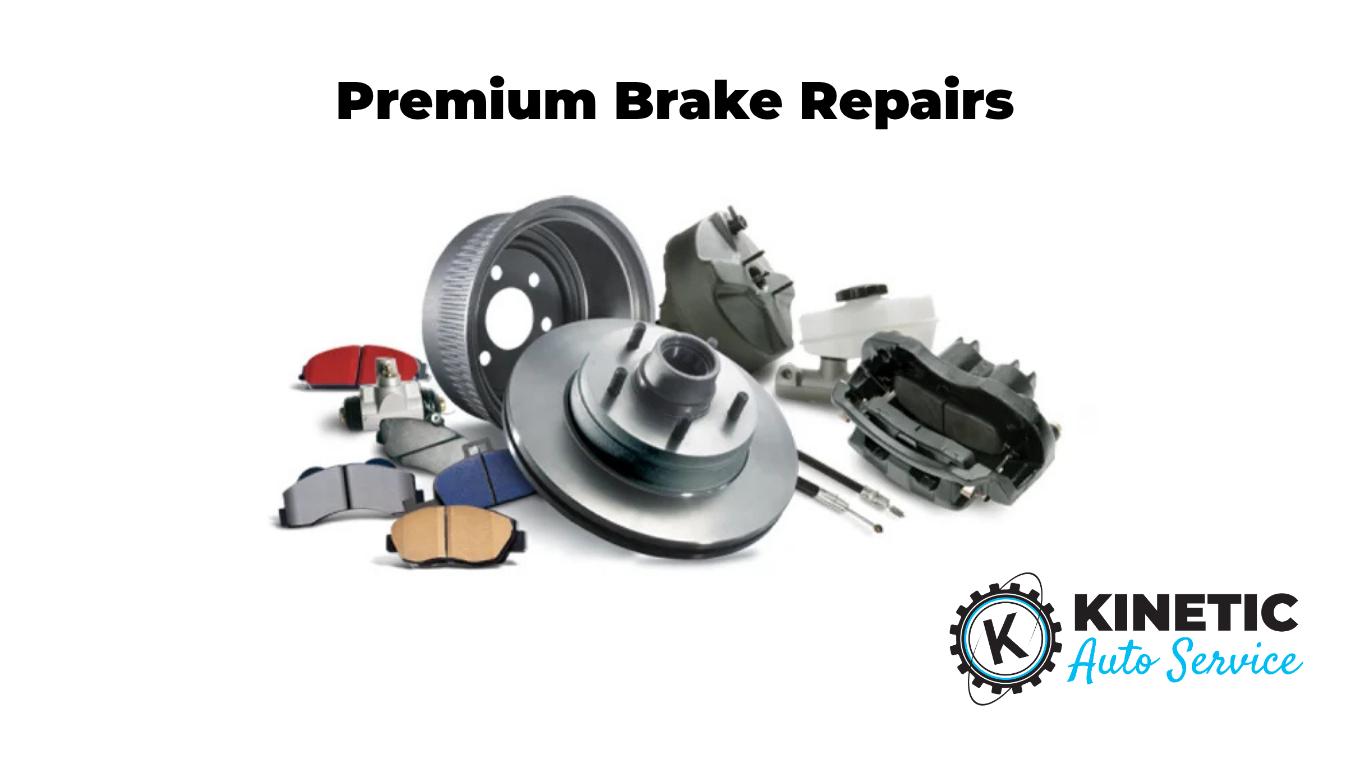
high quality replacement brake parts at kinetic auto service in regina, SK
By Written by: Erin Vaughan - President, CEO and Journeyperson Automotive Service Technician • September 22, 2025
Wondering how long your brakes last in Regina? Learn when to replace pads, rotors, and fluid for maximum safety and Peace of Mind from Kinetic Auto Service.
technician performing a brake inspection on a vehicle in regina, saskatchewan
By Written by: Erin Vaughan - President, CEO and Journeyperson Automotive Service Technician • September 15, 2025
Wondering if your brakes need repair? Learn the warning signs, why brake fluid matters, and how Kinetic Auto Service in Regina keeps you safe with expert care.
By Written by: Erin Vaughan - President, CEO and Journeyperson Automotive Service Technician • February 11, 2025
Our main goal at Kinetic is to help you keep your vehicle safe and reliable , saving you money on your long term transportation costs. Check out these 6 reasons to repair the vehicle you own: 1. Lower Repair Costs vs. Higher Monthly Payments Even a major repair, like replacing a transmission, is typically a one-time cost. Compare that to the steady stream of monthly payments that can come with a new vehicle - often $500 or more. By choosing a repair, you can save thousands in financing charges and avoid locking yourself into years of debt. 2. Lower Insurance Costs Older cars typically cost less to insure. Upgrading to a newer model often comes with higher premiums due to the increased value of the vehicle and advanced technology that can be costly to repair after an accident. Sticking with your current car can keep your insurance rates lower and more predictable. 3. Better Use of Savings The money you save by repairing instead of replacing can be invested elsewhere: retirement savings accounts, your child's education, or even a well-deserved family vacation. Repairing your vehicle is a short-term expense, while buying new ties up a larger chunk of your budget for years. 4. Extend the Life of Your Investment If you’ve already paid off your car, repairs can breathe new life into a valuable asset. Routine maintenance, like fluid changes, timing belts, or spark plug replacements often costs a fraction of what a new car payment would. With proper care, many vehicles can run reliably for 300,000 km or more. 5. Avoid Depreciation New cars lose value fast - as much as 20-30% in the first year alone. Your current car has already absorbed that initial hit, meaning every dollar you spend on repairs is helping to maximize its remaining value. 6. A Greener Choice Repairing and maintaining your car is more environmentally friendly than manufacturing a new one. Extending your vehicle’s lifespan reduces waste and lowers the overall environmental impact. ​ With this being said, there are times when repairing DOES NOT make financial sense: the vehicle has very high mileage and routine maintenance was not performed, rust has weakened the structural integrity of the frame or body, when the vehicle no longer serves your needs. Let Us Help You Decide At Kinetic Auto Service, we believe in empowering our clients with honest, transparent advice . Before you make a big financial decision, bring your vehicle to us for a professional assessment . We’ll help you weigh the pros and cons, so you can drive with confidence knowing you’ve made the right choice for your budget and lifestyle. ​
By Written by: Erin Vaughan - President, CEO and Journeyperson Automotive Service Technician • January 21, 2025
How to Choose the Best Auto Service Facility
Blog Page | Kinetic Auto Service
May 27, 2024
Maintaining your vehicle puts way more cash in your pockets!
Blog
May 27, 2024
Providing our clients value by backing our work is just one of the many ways we provide an excellent client experience!
Blog Page | Kinetic Auto Service
May 27, 2024
With fuel prices on the rise again, and exciting summer road trips coming up, we thought you could use a few tips to ensure you are saving ...
Maintain Your Ride And Save | Kinetic Auto Service
May 27, 2024
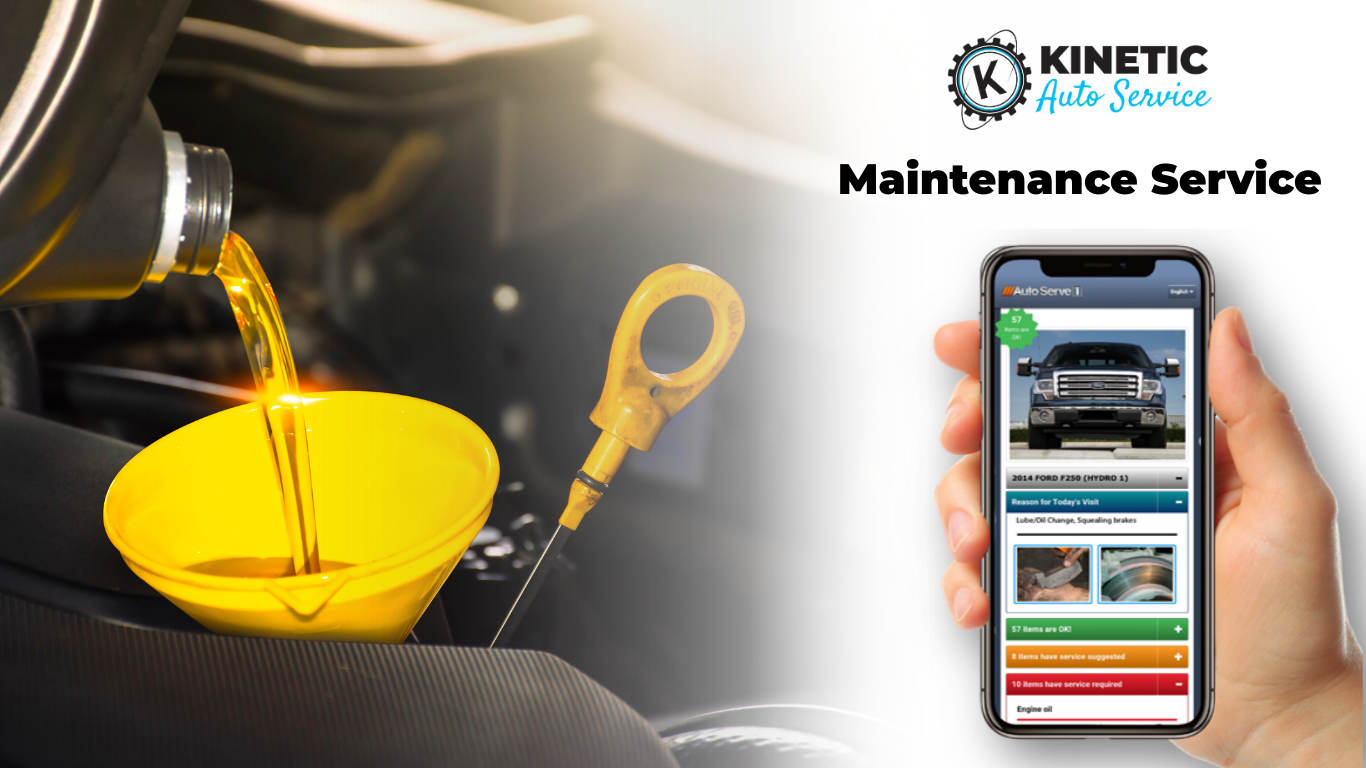
We are super excited to share with you that we have started using some exciting new software! Yes, you read that correctly, we get excited ...