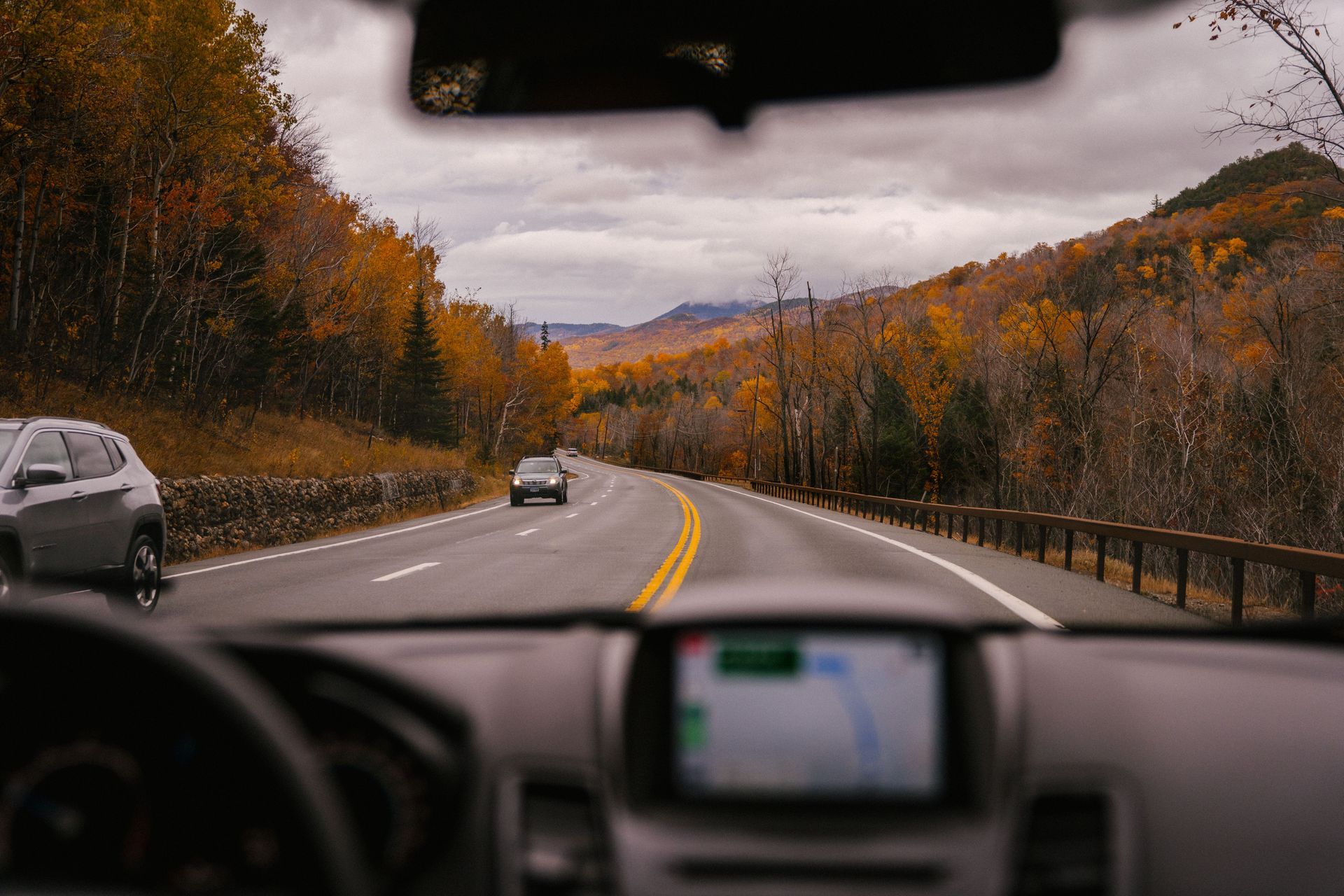
Enjoy the fall colours, not an unexpected breakdown.
As cooler temperatures are on the way, is your
vehicle ready?
Before all the leaves fall, here are some simple ways to help keep your drive safe and stress-free.
Make Sure You Antifreeze/Coolant Is At The Proper Level:
Besides putting your engine at risk of overheating, a low antifreeze condition will cause only cold air to blow out of your vents, thereby leaving the driver and passengers freezing their @$$'s off. If your level is low, top it up with the manufacturer recommended fluid and bring it in to determine where the leak is.
Verify Your Block Heater Is Working:
The block heater
keeps your engine warm in extreme temperatures, allowing it to start much easier and extending the life of your battery.
Don't drive away with it plugged in!
As this can cause damage to the cord end, or the block heater itself.
Winter Tires Are Awesome:
Having both summer/all season and winter tires may cost a little more than having one set of tires, however, if you are driving for the conditions, winter tires can be very helpful when needing to stop suddenly or get traction in icy situations. On ice or packed snow at low temperatures, a dedicated winter tire can stop a vehicle in significantly shorter distances than an all-season tire, sometimes reducing stopping distance by 25% to over 40%!
NOTE: Winter tires should be put on when the temperatures drop to 7°C and under ❄️
Have An Emergency Kit:
If you find yourself on the side of the road or in a ditch, there are some items that are a must while you're waiting for the tow truck. These items include a warm blanket and/or an extra pair of gloves, booster cables, a phone charger, food, water, a lighter & candle or flashlight and a first aid kit.
Be Safe On The Highway:
While the average vehicle owner may think to check their tire pressure and oil level, they may overlook important safety concerns such as the condition of the brakes, suspension and steering systems. These components, if in need of repair, could land the vehicle in the ditch and endanger its passengers, as well as others on the road. If you're taking your vehicle out of the highway, it would be a good idea to have it checked out by a professional to ensure that it is safe for the trip.
Coolant Level/Leak
Block Heater Test
Winter Tires
Emergency Kit
BONUS TIPS:
Have Your Battery Health Tested:
Fall is a great time to have your vehicle’s battery and charging system checked. Cooler temperatures can put extra strain on a weak battery, even if your vehicle is still starting normally.
A Starting & Charging System Assessment can help identify potential problems before the colder weather arrives, and help prevent an unexpected breakdown. This can identify early signs of weakness before that weather puts your vehicle to the test.
Check Your Tire Pressures:
Cooler Fall temperatures can cause your tire pressure to drop - roughly 1 PSI for every 6°C decrease. That means tires properly inflated in late summer can read low after the first cold snap.
Check the pressure when the tires are cold (before driving or after the vehicle has been parked for at least three hours) and inflate them to the specification on the driver’s door jamb, not the maximum pressure printed on the tire.
Proper tire pressure supports better handling, fuel efficiency and tire life—especially important as roads get wetter and days get shorter. Don’t forget to check the spare tire, too!
If you’re planning a switch to winter tires, now is a good time to book your changeover and have pressures, tread depth and alignment checked while you’re here 🛞
As always, if you need us to make sure your vehicle is safe & reliable for
the Autumn season,
we're here for you!